
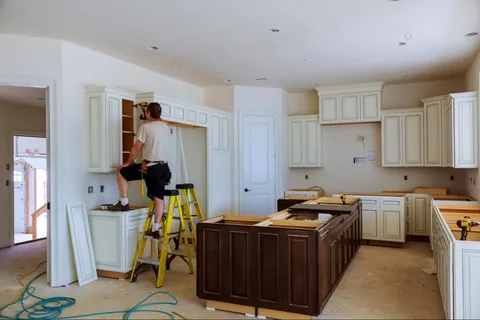
A kitchen renovation can improve the appearance, functionality, and value of your home, but a successful project requires more than choosing attractive cabinets and countertops. Poor planning, overlooked details, and rushed decisions can create problems that are expensive or frustrating to correct.
Whether you are updating a small kitchen or completing a full kitchen remodel, knowing the most common renovation mistakes can help you make better decisions from the beginning.
1. Starting Without a Detailed Plan
One of the biggest kitchen renovation mistakes is beginning construction before the project has been properly planned.
Before work starts, homeowners should have a clear idea of the layout, materials, appliances, storage needs, lighting, finishes, and overall goals. Changes made after construction begins can increase costs and extend the timeline.
A detailed plan gives everyone involved a clear direction and helps reduce unnecessary surprises.
2. Focusing Only on Appearance
A beautiful kitchen still needs to function well for everyday use. Choosing finishes based only on appearance can result in a space that looks great but does not work efficiently.
Consider how you prepare meals, where appliances are located, how often you entertain, and how much counter space and storage your household needs.
A successful kitchen renovation should balance aesthetics with practical functionality.
3. Choosing the Wrong Kitchen Layout
The layout affects how easily you can move between the refrigerator, sink, cooktop, oven, and preparation areas.
A poor layout can create unnecessary walking paths, crowded work zones, or limited workspace. Before finalizing a design, think about how people will actually use the kitchen throughout the day.
A professional remodeling contractor can help evaluate the existing layout and determine whether the space can be improved without compromising functionality.
4. Underestimating Storage Needs
Storage is one of the most important considerations in a kitchen remodel. Homeowners sometimes focus heavily on cabinets’ appearance while overlooking how much storage they actually need.
Think about where you will store:
- Pots and pans
- Plates and glassware
- Small appliances
- Cooking utensils
- Food and pantry items
- Cleaning supplies
- Trash and recycling bins
Features such as deep drawers, pull-out storage, pantry cabinets, and customized organizers can make better use of available space.
5. Ignoring Lighting
Kitchen lighting should not be an afterthought. A single ceiling fixture may not provide enough illumination for food preparation, cooking, cleaning, and other tasks.
A well-planned lighting design can combine general lighting with task lighting over work areas and accent lighting where appropriate.
Consider lighting placement early in the renovation so electrical work can be completed as part of the overall project rather than added later.
6. Forgetting About Electrical Needs
Modern kitchens often use more electrical appliances than older kitchens were designed to accommodate. Refrigerators, dishwashers, microwaves, coffee makers, countertop appliances, and other equipment all require convenient access to power.
Failing to plan electrical outlets and circuits during the renovation can lead to an inconvenient kitchen after the project is complete.
Electrical work should be planned and completed according to applicable codes and by qualified professionals where required.
7. Choosing Materials Without Considering Durability
Kitchen surfaces experience daily wear. Countertops, flooring, cabinet finishes, backsplashes, and hardware need to withstand moisture, spills, heat, cleaning, and frequent use.
A material that looks attractive in a showroom may not necessarily be the best choice for your household’s lifestyle.
Consider durability, maintenance requirements, expected lifespan, and overall use before selecting materials.
8. Buying Appliances Too Late
Appliances can affect cabinet dimensions, electrical requirements, plumbing connections, ventilation, and the overall kitchen layout.
Waiting until late in the project to choose appliances can create unnecessary complications if the selected models require different dimensions or connections.
If new appliances are part of your renovation, choose them early enough for their specifications to be incorporated into the design.
9. Overlooking Ventilation
Proper kitchen ventilation helps remove cooking odors, heat, smoke, grease, and moisture.
A range hood should be considered as part of the kitchen design rather than an accessory added at the end. Depending on the home and equipment, ventilation may require specific ducting and electrical considerations.
Proper planning can help ensure the ventilation system works effectively without interfering with cabinets or other design elements.
10. Setting an Unrealistic Budget
Kitchen renovations can involve more expenses than homeowners initially expect. Cabinets, countertops, appliances, flooring, plumbing, electrical work, lighting, labor, permits, and unexpected repairs can all affect the final cost.
Create a realistic budget before construction begins and consider setting aside additional funds for unforeseen conditions.
A clear budget also makes it easier to prioritize the features that matter most to your household.
11. Choosing the Lowest Bid Without Comparing Scope
Price is an important part of a renovation decision, but the lowest estimate is not always the best value.
When comparing contractors, review what each estimate actually includes. Differences in materials, labor, project scope, preparation work, warranties, and finishes can make two estimates difficult to compare based on price alone.
Look for a clearly defined scope of work and make sure you understand what is included before signing an agreement.
12. Making Too Many Design Changes During Construction
Some changes are unavoidable once walls or cabinets are opened, but frequent design changes can create delays and additional costs.
Finalizing major selections before construction begins can help the project move more smoothly. This includes cabinets, countertops, flooring, fixtures, appliances, hardware, and paint colors.
The more decisions that are settled in advance, the easier it is for the contractor to follow the planned schedule.
13. Neglecting the Existing Structure
A kitchen renovation can reveal problems that were hidden behind walls, cabinets, or flooring. Outdated wiring, plumbing problems, moisture damage, or structural concerns may need attention before new finishes are installed.
A professional contractor can help identify potential issues during planning and explain how unexpected conditions may affect the project.
Addressing underlying problems rather than covering them up can help protect the quality of the finished renovation.
14. Sacrificing Functionality for Trends
Kitchen trends can provide design inspiration, but trends change over time. Installing every popular feature may not be the best approach for a renovation you expect to enjoy for many years.
Consider combining timeless materials and practical layouts with smaller trend-focused elements that can be updated more easily.
The goal should be a kitchen that reflects your style while remaining comfortable and functional long after the renovation is complete.
How Professional Kitchen Remodeling Can Help
A kitchen renovation involves many interconnected decisions. Cabinets affect appliances, plumbing can affect layout, electrical work influences lighting and outlets, and material choices can affect both appearance and maintenance.
Working with an experienced remodeling contractor can help coordinate these details and create a renovation plan based on your home’s existing conditions and your goals.
Professional planning can also help reduce avoidable mistakes and keep the project organized from demolition through final installation.
Why Choose Integrity Home Improvements & Renovations?
Integrity Home Improvements & Renovations helps homeowners turn outdated kitchens into functional, comfortable spaces designed around their needs. Our approach focuses on thoughtful planning, quality workmanship, and attention to the details that make a renovation work for everyday life.
From layout considerations and material selection to the finishing touches, we can help homeowners navigate the remodeling process and create a kitchen that fits their home and lifestyle.
Build a Kitchen You Will Enjoy for Years
Avoiding common kitchen renovation mistakes starts with careful planning. Think beyond colors and finishes and consider layout, storage, lighting, electrical requirements, ventilation, appliances, durability, and budget.
A well-planned kitchen renovation can make your home more functional while creating a space that looks and feels right for your household. By making informed decisions before construction begins and working with qualified professionals, you can reduce unnecessary problems and get more value from your remodeling investment.