
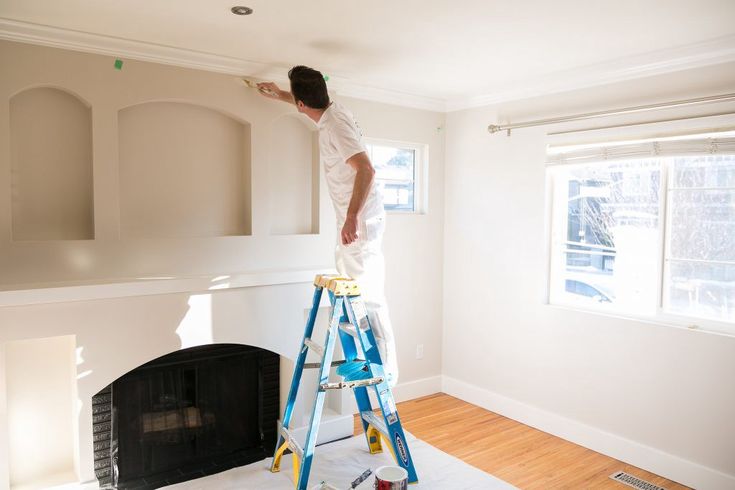
A fresh coat of paint can completely change the look and feel of your home. Whether you are refreshing a single room or repainting several areas, achieving a smooth and professional finish requires more than choosing a color and applying paint. Proper preparation, quality materials, and careful application all have an impact on the final result.
If you are planning an interior painting project, these practical tips can help you achieve a cleaner, more polished finish.
1. Prepare the Walls Before Painting
Proper preparation is one of the most important steps in an interior painting project. Paint cannot effectively hide major cracks, holes, dirt, or other surface imperfections.
Before painting, inspect the walls for:
- Cracks and holes
- Nail pops
- Peeling or loose paint
- Water stains
- Dirt and grease
- Uneven surfaces
Fill holes and cracks, sand rough areas, and clean the walls as needed. Repaired areas should be completely dry before primer or paint is applied.
2. Choose the Right Paint
Different rooms have different painting requirements. Consider how much moisture, traffic, and everyday use each space receives when selecting paint.
Kitchens and bathrooms may benefit from finishes that are easier to clean, while bedrooms and living areas may offer more flexibility in sheen and appearance.
The right paint should complement the room while providing the durability and maintenance characteristics you need.
3. Use Primer When Necessary
Primer can create a more consistent surface and improve paint adhesion. It can be particularly useful when painting over a dark color, covering stains, working with porous surfaces, or repainting repaired areas.
A quality primer can also help prevent visible differences between repaired sections and the surrounding wall.
Not every project requires a separate primer coat, so the decision should depend on the existing surface and the type of paint being applied.
4. Protect Floors and Furniture
Even careful painters can create accidental splashes and spills. Before work begins, move furniture away from the walls whenever possible and cover remaining items with protective coverings.
Use drop cloths to protect flooring and carefully cover fixtures or surfaces that should not receive paint.
Taking time to protect the room before painting can also make cleanup much easier.
5. Use Quality Painting Tools
The tools you use can affect the appearance of the finished paint job. Brushes, rollers, paint trays, extension poles, and other equipment should be appropriate for the type of paint and surface being covered.
A quality roller can provide more consistent coverage, while a good brush makes cutting around corners, trim, windows, and fixtures easier.
Using the correct tools can also make the painting process more efficient.
6. Pay Attention to Edges and Trim
A professional-looking paint job requires attention to areas beyond the center of the wall. Carefully paint around doors, windows, baseboards, ceilings, outlets, and other features.
Painter’s tape can be useful where appropriate, but careful brushwork and proper preparation are also important for achieving clean lines.
Take your time around detailed areas because imperfections can be especially noticeable along edges and trim.
7. Apply Thin, Even Coats
Trying to achieve complete coverage with one thick coat can result in drips, uneven texture, and longer drying times.
Instead, apply paint in consistent coats and allow each coat to dry according to the manufacturer’s instructions before applying another.
Multiple properly applied coats can provide more uniform coverage than one heavy coat.
8. Maintain a Wet Edge
When using a roller or brush, work in manageable sections while maintaining a wet edge. This helps reduce visible overlap marks where one section dries before the next section is painted.
Avoid repeatedly brushing or rolling areas after the paint has started to set. Doing so can create uneven texture and visible marks.
Consistent application is particularly important when painting large walls or open spaces.
9. Pay Attention to Lighting
Lighting can reveal imperfections that may not be obvious during preparation. Before considering a wall finished, inspect it under the room’s normal lighting conditions.
Natural and artificial light can make roller marks, uneven coverage, and surface imperfections more noticeable.
Checking the finished surface carefully can help identify areas that need additional attention before the project is complete.
10. Allow Proper Drying Time
Paint needs adequate time to dry and cure. Avoid placing furniture directly against freshly painted walls or cleaning the surface before the recommended time.
Drying and curing times can vary depending on the type of paint, temperature, humidity, and ventilation.
Following the manufacturer’s instructions helps protect the finish and reduce the risk of accidental damage.
11. Maintain Good Ventilation
Good ventilation can improve comfort while painting and support appropriate drying conditions. Open windows and doors when practical, or use suitable ventilation equipment.
Always follow the manufacturer’s safety recommendations, especially when using products that produce strong fumes.
12. Keep the Color Consistent
When painting a large room or several connected areas, use paint from the same batch whenever possible. Different batches can sometimes have subtle color variations.
If multiple containers are needed, combining paint into a larger container before application can help maintain a consistent appearance throughout the project.
This is especially important for large, open areas where slight color differences can be easier to notice.
13. Do Not Rush Surface Preparation
One of the most common interior painting mistakes is spending too much time applying paint and not enough time preparing the surface.
Cleaning, sanding, repairing, and priming may take time, but these steps create the foundation for the finished result.
A smooth, properly prepared surface allows paint to adhere more effectively and can contribute to a cleaner overall appearance.
14. Consider the Room’s Purpose
Paint color and finish should work with how the room is used. High-traffic areas may require more durable and washable finishes, while decorative spaces may allow for more flexibility.
Think about the room’s lighting, furniture, flooring, and overall design before selecting a color.
Testing samples on the wall can also help you see how a color looks under different lighting conditions before committing to the entire room.
When Should You Hire a Professional Interior Painter?
DIY painting can work well for smaller projects, but larger or more complicated jobs may benefit from professional experience.
Consider hiring a professional if your project involves:
- Multiple rooms
- High ceilings
- Extensive wall repairs
- Difficult-to-reach areas
- Significant color changes
- Detailed trim
- Specialty finishes
- A tight project schedule
Professional painters understand surface preparation, paint application, product selection, and techniques for achieving consistent results.
Why Choose Integrity Home Improvements & Renovations?
Integrity Home Improvements & Renovations brings careful planning and quality workmanship to interior painting projects. Our team understands that a great paint job starts with proper surface preparation and continues with careful application and attention to detail.
We take the time to prepare surfaces, protect surrounding areas, apply paint evenly, and complete the finishing touches needed for a clean result. Whether you are refreshing one room or updating multiple areas of your home, we focus on creating a finished space that looks polished and complements your home’s style.
With a commitment to craftsmanship and customer satisfaction, Integrity Home Improvements & Renovations helps homeowners create interiors that feel fresh, updated, and inviting.
Create a Fresh Interior With a Professional Finish
Achieving a quality interior paint finish starts well before the first coat is applied. Proper preparation, suitable materials, quality tools, consistent application, and adequate drying time all contribute to the final appearance.
If your project involves extensive preparation, multiple rooms, high ceilings, or detailed finishing work, professional interior painting can save time while providing the attention to detail needed for a polished result.
With the right approach and careful workmanship, a fresh interior paint job can transform your home’s appearance and create a space you will enjoy for years to come.